


Volunteer/Request Ambassador
.svg)
FACTOR 2026




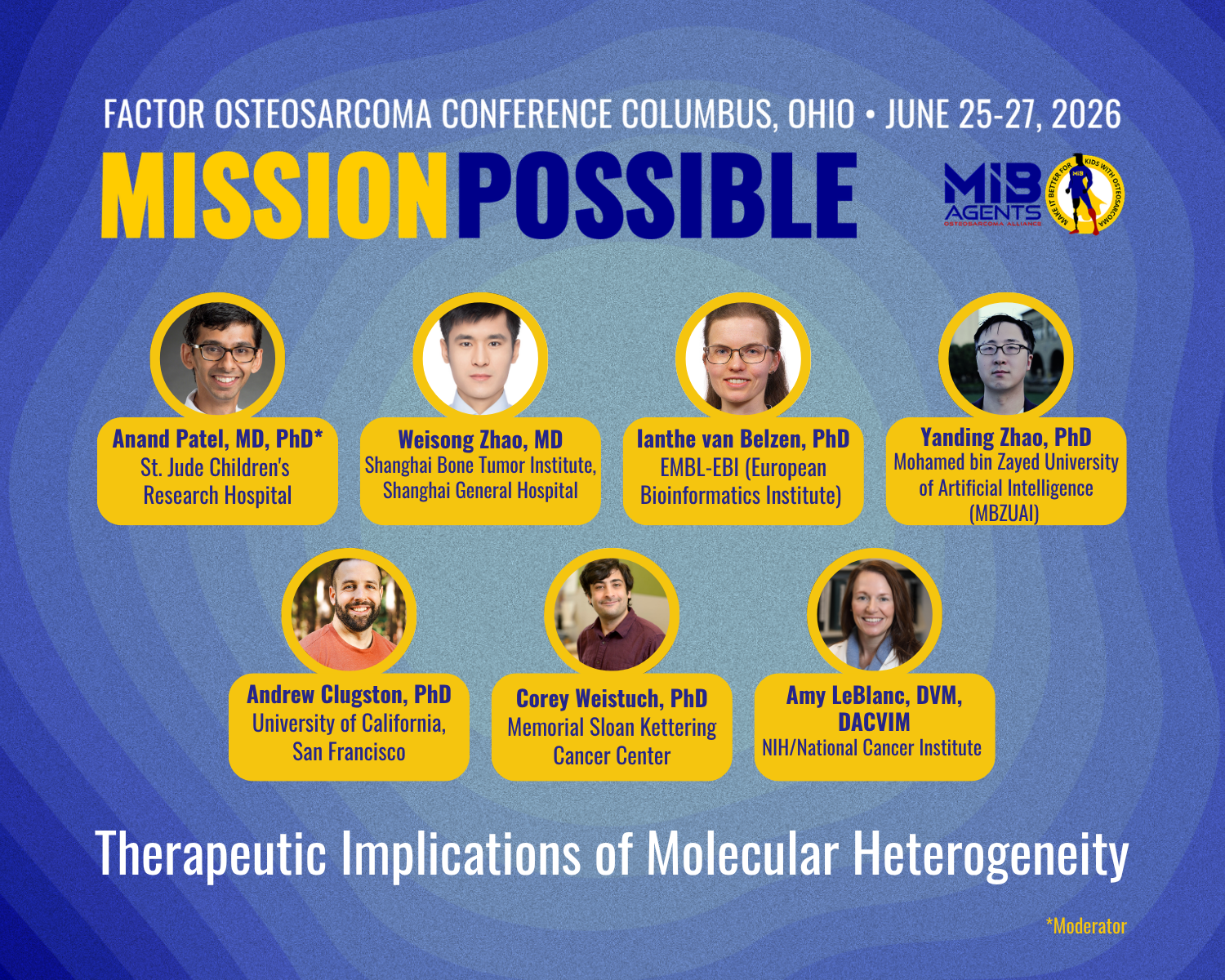
Therapeutic Implications of Molecular Heterogenity
James Morrow, MD, PhD
Dana-Farber Cancer Institute

Dissecting the developmental origins of osteosarcoma
There has not been a significant change in the way that we treat osteosarcoma for more than 30 years. One of the primary reasons why it has been difficult to develop and test new therapies is that we as a community understand very little about the biology of osteosarcoma compared to other more common cancers. Remarkably, one of the things we don’t understand about osteosarcoma is what types of normal bone cells osteosarcoma comes f rom. We believe that this fundamental knowledge is key to understanding what drives osteosarcoma. In these studies, we have developed an experimental system that allows us to model bone development in the lab. For the first time this has allowed us to generate a reference map of normal bone cells to which osteosarcoma cells can be compared. Now that we have this system working, we can introduce DNA changes (mutations) that we see in osteosarcoma into normal bone cells. We find that when we introduce osteosarcoma mutations into developing bone cells we end up with new types of cells that don’t exist in normal development. We think these new cells are the first step in the development of osteosarcoma. Right now, we’re working to more fully understand how these abnormal cells come to be and how they evolve into tumors. In addition, when we compare our bone development reference maps to osteosarcoma tumors, we find that we learn a lot more about these tumors. For example, we have learned more about what causes osteosarcoma to spread, or metastasize. We hope that this knowledge will help us find weaknesses in osteosarcoma cells that we can exploit to create new therapies.
Kelly Gutpell, MBBCh, PhD
Nationwide Children's Hospital
Characterization of the anchor cell in preclinical models of metastatic osteosarcoma
Overall survival for patients with metastatic pulmonary osteosarcoma remains poor, and there is an urgent need for new therapeutic strategies to improve outcomes for these young patients. Metastasis to the lung is an inefficient process and previous studies have shown that a small population of tumor cells plays a crucial role in remodeling lung tissue to establish, or “anchor ”, the metastatic niche. These anchor cells are a potentially novel target, but they remain poorly understood at the gene expression level. This study aims to identify and characterize these anchor cells by analyzing gene expression at the single-cell level using RNA sequencing. Additionally, we will use lineage tracing barcodes to determine whether the anchor cell is clonally distinct f rom the rapidly dividing growth cells that give rise to metastatic lesions. This study will provide new insights into the biology of osteosarcoma metastasis and identify a potentially novel target during tumor evolution that could drastically impact the lives of young people with this disease.
Mathieu Epinette, BS
Koch Institute for Integrative Cancer Research at MIT
Heterogeneous and ongoing genomic rearrangements in a murine osteosarcoma model parallel human disease
Advancing a new drug or therapy to human trials requires a huge investment of time and money. In rare diseases like osteosarcoma, there are few chances to try new therapies, making it crucial to take our best shot when we can advance a new treatment. Preclinical models that faithfully reproduce human disease enable us to test therapies and prioritize for human study. Models range from cells derived f rom patient tumors grown in a dish to animals genetically engineered to get OS. Each has strengths and weaknesses that make them right for certain applications. However, in all cases, it is crucial to understand what aspects of OS a model recreates and where it differs. To study how the immune system interacts with OS, we use a mouse genetically engineered to develop OS. Unlike models that transplant human tumors into mice, these mice have a normal immune system. Original reports of this model describe how it reproduces the microscopic and clinical aspects of the disease, but it remains unknown whether it has the same genetic changes. Human OS is characterized by a process called chromothripsis, in which one or multiple chromosomes are broken apart into many tiny pieces and reassembled. This results in genes breaking apart and moving to new places in the genome. In the reassembly process, some genes are lost while others are accidentally copied too many times. Both types of changes likely contribute to the development of OS. To understand whether the mouse model of OS undergoes chromothripsis, we performed detailed gene sequencing of mouse leg tumors and, when the cancer had spread, f rom mouse lungs. From these data, we were able to see that many of the mouse tumors undergo complicated genomic rearrangements that look like chromothripsis. Furthermore, we found that this results in extra copies of genes known to cause human OS (Myc) and loss of genes that normally prevent OS (Pten). We have subsequently confirmed many of these changes on the protein level as well and are in the process of testing whether they contribute to the progression of OS. While many mouse models of cancer are genetically much simpler than their human equivalents, this mouse OS model faithfully reproduces the genetics seen in human OS. This makes it a great system for developing new ideas for therapies and ultimately for testing those therapies before they enter human clinical trials.
Sowmya Ramesh, PhD
Johns Hopkins University
Sensory neurons regulate osteosarcoma disease progression
Bone pain is a hallmark of bone cancers, including osteosarcoma (OS), mediated by peripheral neurons. However, the roles of tumor-associated sensory neurons in OS beyond pain perception remain poorly understood. To investigate their regulatory functions, a chemical-genetic approach was employed in mice carrying a knock-in allele for TrkA to perturb sensory nerve innervation during OS growth and progression. TrkA inhibition in these transgenic mice significantly reduced sarcoma-associated sensory innervation and vascularization, decreased tumor growth and metastasis, and extended overall survival. In a translational effort, we leveraged FDA-approved bupivacaine liposomes which led to significant reductions in tumor growth, blood vessels, as well as alleviation of pain. These data suggest that interventions to prevent pathological innervation of osteosarcoma represent a novel adjunctive therapy to improve clinical outcomes and survival.
Kevin Jones, MD
University of Utah, Huntsman Cancer Institute
Epigenetics and osteosarcoma oncogenesis
The product of osteosarcomagenesis, a full-fledged osteosarcoma, has been very clearly defined as long as physicians have been looking at tissue sections on glass slides under light microscopy: pleiomorphic (also spelled pleomorphic, meaning many shaped) cells are intimately associated with and apparently generating osseous (bony) extracellular matrix. Some have therefore used the more specific moniker or osteogenic sarcoma. Put simply “ugly cells making osteoid” defines an osteosarcoma. The ugliness of those cancer cells refers to the fact that the nucleus and cytoplasm of each cancer cell differs—often wildly—f rom adjacent cancer cells in the same microscopic tissue section f rom the same tumor. This can also be referred to as intratumoral and intercellular heterogeneity. That definition has remained consistent, even as molecular features of osteosarcoma have been resolved with increasingly sophisticated tools. Osteosarcoma was central to the initial recognition that cancer of most types has genetic origins. How we defined those genetic origins came initially f rom inherited conditions running in families, especially Li Fraumeni syndrome, congenital bilateral retinoblastoma syndrome, and Rothmund-Thomson syndrome. Eventually, the genes, whose mutations associated with each of these conditions were identified in the human genome, even to the point that the specific sequence aberrations that characterized the common mutations became resolved at the base-pair level. Eventually, two of these genes were recognized as disrupted in both the osteosarcomas associated with their respective syndromes, as well as in sporadic osteosarcomas that develop in individuals with no family history of osteosarcoma or even other cancers. However, also recognized as profiling became more deeply penetrant into osteosarcoma genomes was the observed molecular mayhem, the chromothripsis, or shattering of chromosomes that consistently characterizes them. As mouse genetic modeling of osteosarcoma has also improved f rom transgenes through targeted disruption of specific tumor suppressor genes in cells along the osteoblast lineage, the field has learned that the critical threshold that must be passed is the genome scrambling itself, whether permitted by the silencing of specific genes, or accelerated by the application of ionizing radiation, DNA damaging chemicals, or genetic drivers of DNA damage accumulation. The new goal of the field is to identify what epigenetic circumstances enable or generate the genetic smashing of the genome that still generates osteosarcoma cells that appear to have bizarrely many-shaped nuclei with highly variable genetic content even among the cells within a single cancer.
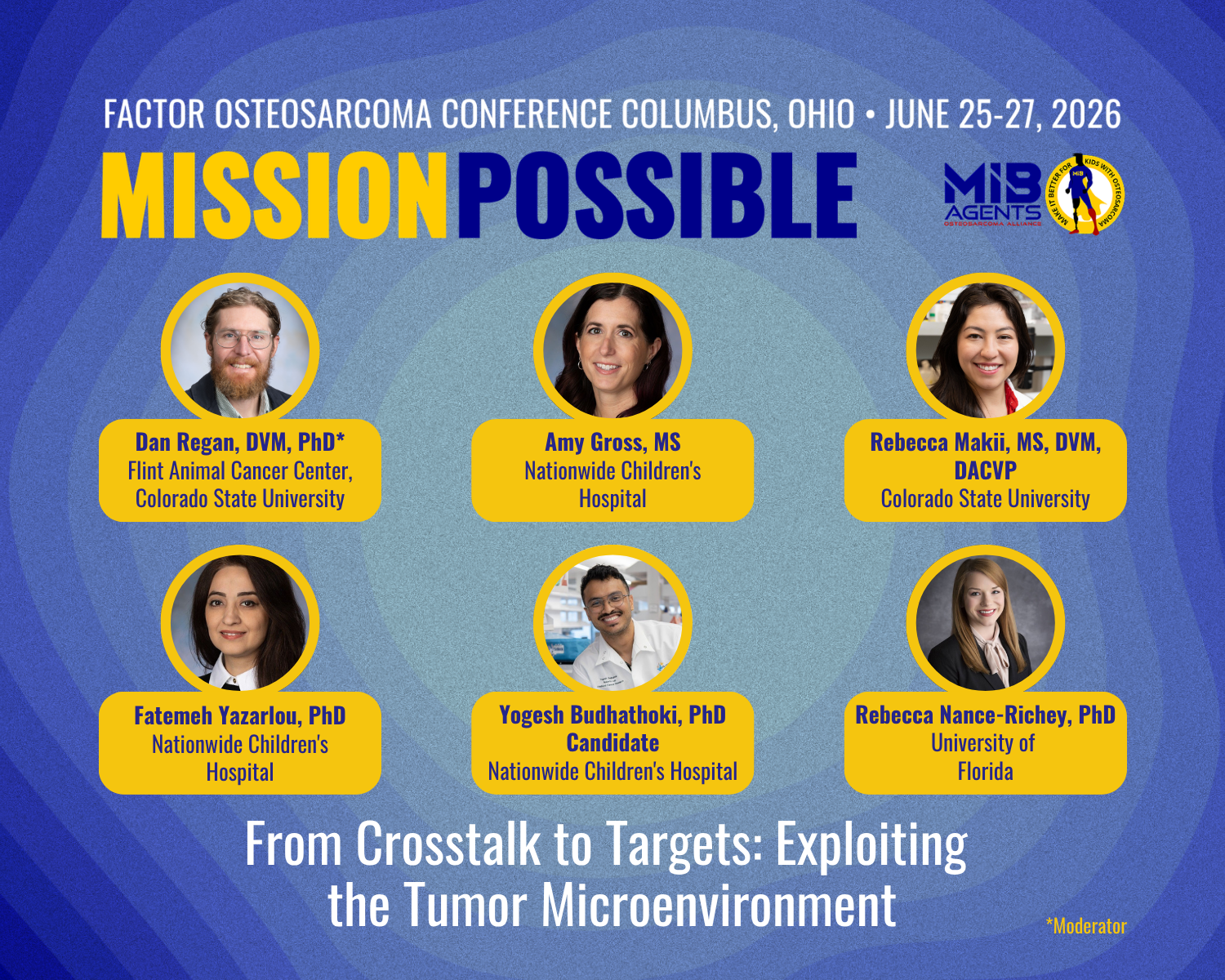
From Crosstalk to Targets_ Exploiting the Tumor Microenvironment
Katie Janeway, MD
Dana-Farber Cancer Institute
Directly engaging participants in rare cancer research is feasible: The Osteosarcoma Project
Background and purpose: Osteosarcoma (OS) is a sarcoma with a complex genome for which there has been limited progress in identifying new treatments and improving outcomes. While slow progress is partially due to insufficient genomic characterization, generating large genomic datasets has been challenging because this is a rare cancer. The OS Project uses various approaches to directly engage pediatric and adult participants with OS in genomics research. Methods: Working with patients and advocates at the design stage, we created a website (OSProject.org) where patients register and consent to participation. Any patient with OS living in the United States or Canada is eligible. Participant outreach approaches include partnership with advocacy organizations, webinars, social media posts, meeting presentations, stakeholder and physician engagement committees, and direct mailings. Blood and saliva are collected directly f rom consented participants by mail, archival FFPE tumor samples are obtained f rom pathology departments and medical records are requested f rom treating institutions. WES, WGS, DNA panel sequencing and RNASeq of tumor and germline (T/N) is performed. Results are shared with patient, advocacy, physician, and research communities in several ways. Individual participants receive a shared learning report describing the somatic variants identified in their tumor f rom T/N clinical WES and are offered clinical germline genetic testing and genetic counseling. Results: The study outreach team has participated in or led a total of 20 online and in person events not including social media posts or stakeholder meetings. So far, in 26 months 145 OS patients (ages 7-74y; median 20) have consented, and 76 tumor samples and 127 germline samples have been obtained f rom the consented participants. Analysis of the first 7 OS pts with T/N WGS demonstrated inactivation of TP53 (4 pts) and RB1 (2 pts), as expected f rom past OS cohorts. Conclusions: Using community partnerships and direct outreach to connect and engage with participants and a virtual consenting process for genomics research in a rare cancer is feasible. It is possible to obtain germline samples directly f rom about half of participants and archival tumor samples f rom treating pathology departments for about one third of participants consented in a direct-to-patient online genomics study. We have been able to utilize archival tumor samples to identify, with T/N WES/WGS, expected genomic events in complex genome cancers. Recruitment and sequencing are ongoing.
Emanuela Palmerini, MD, PhD
Sylvester Comprehensive Cancer Center, Miller School of Medicine, University of Miami
FOSTER (Fight OsteoSarcoma Through European Research) Consortium
The FOSTER Consortium (Fight OsteoSarcoma Through European Research) (TBD) is a Pan-European initiative dedicated to advancing research and improving outcomes for patients with osteosarcoma, the most common bone cancer in adolescents and young adults. With over 350 members across 20 countries, the consortium fosters collaboration among researchers, clinicians, and patient/parent advocates to address critical gaps in translational research, clinical trial access, and long-term survivorship. Organized into nine work packages, FOSTER supports biobanking, preclinical modeling, and the development of innovative therapeutic strategies to all patients with osteosarcoma. In a significant milestone, the consortium was awarded more than €7,600,000 through the ATTRACT* Call to investigate maintenance therapy with cabozantinib (FOSTER-CabOs trial), in partnership with Ipsen, in a randomized clinical trial enrolling all newly diagnosed patient with osteosarcoma in Europe. The FOSTER – CabOS trial is the first randomised question of the FOSTER-Evolving Study Platform registering all patients at diagnosis for biology studies, with initial financial support f rom Rising Tide. The FOSTER – CabOS trial will support a comprehensive clinical and translational research program aimed at evaluating the efficacy and safety of cabozantinib as a maintenance strategy in osteosarcoma, potentially offering a new therapeutic avenue for patients with limited treatment options.
Lu Xie, MD
Peking University People's Hospital
Collaborative data ecosystems in mainland China
To introduce the Collaborative Data Ecosystems panel in the mainland of China epecial for osteosarcoma. There are many sarcoma centers in the mainland of China, most of which are now still supervised by orthepedic oncologsts. This presentation is planned to introduce our current status as well as the appropriate way for us to communicate and coroperated in the future under current local policy.
David Jenkinson, PhD
LifeArc
Pediatric Bespoke Therapeutic Discovery Workshop on Osteosarcoma - Community Priorities
The Pediatric Bespoke Therapeutic Development Workshops (PBTDWs) are a series of workshops focussing on specific childhood cancers, run by LifeArc in collaboration with the Innovative Therapies for Children and Adolescents with Cancer (ITCC), Cancer Research UK and disease specific foundations. By convening world-leading experts, they aim to capture our current understanding of specific childhood cancers and explore potential targets that may be useful for new therapeutic discovery. They also look at the main clinical questions in the disease. This talk will cover the outcomes of the osteosarcoma workshop; the prioritisation of the targets discussed and the clinical opportunities around combinations of DNA damage response inhibitors, available in adult cancers that might be repurposed in osteosarcoma. It will also touch on the potential of targeting a protein called MYC, which is f requently overexpressed in poor prognosis disease.
John B.A. Okello, PhD, MBA
Break Through Cancer
Team DEFIANT: A Radical Collaboration Framework to Accelerate Therapeutic Discovery in Osteosarcoma
Osteosarcoma remains one of the most difficult pediatric malignancies to treat, due in part to its complex genomic landscape, lack of biomarker-guided therapies, and limited access to coordinated clinical and biological data. At the MIB FACTOR 2025 conference, BTC introduced their upcoming launch of Team DEFIANT (DEFIning ACTioNable Targets for Osteosarcoma)—a new $15 million TeamLab supported by Break Through Cancer (BTC) and other partners to be announced. This initiative will formally launch in Fall 2025 and represents one of the largest osteosarcoma-focused research investments to date. Team DEFIANT integrates BTC’s radical collaboration model, which unites multi- institutional investigators and supports real-time data sharing, cross-species discovery, and rapid translational learning. The effort is structured around two interdependent pillars: 1) Integrated Trial Framework: A unified human-canine trial ecosystem that incorporates advanced molecular diagnostics, surrogate endpoints, and minimal residual disease tracking, to accelerate therapeutic evaluation and clinical readiness. 2) Target Discovery Engine: A cross-disciplinary effort to aggregate and analyze existing and newly generated osteosarcoma datasets—including genomic, transcriptomic, spatial, and single-cell data—from over 600 human and canine cases. This pillar will focus on identifying and prioritizing actionable targets such as cell surface antigens and chromosomal instability signatures. Led by scientific collaborators from BTC’s founding institutions—including MSK, MD Anderson, DFCI, Johns Hopkins, MIT—as well as Stanford, UCSF, Tufts, and UBC, Team DEFIANT represents a novel, high-trust model for rare cancer research. The initiative is designed to serve as a national proof-of-concept for rapid, biomarker- driven innovation in osteosarcoma and is a key step toward BTC’s 2034 vision: to make real-time, biomarker-informed care standard for all patients with this disease.
Sandra Strauss, MD, PhD
UCL Cancer Institute
ICONIC: Improving outcomes through collaboration in osteosarcoma
Osteosarcoma (OS) is the most common bone cancer that affects children and young people, as well as some older adults. Treatment is challenging often involving traumatic surgery and intensive chemotherapy that is toxic with significant short- and long-term side effects. With no significant advances in treatment for the last 20 years and poor outcomes particularly for those with metastatic disease at diagnosis and relapse disease, there is an urgent need to better understand the biology of osteosarcoma and identify new treatments for OS patients and gain an insight into delays in diagnosis and poor patients experience. The ICONIC study, generously funded by the Bone Cancer Research Trust, was established to bring about a step change in how we conduct collaborative OS research in the UK and is a national prospective observational study that aimed to recruit all newly diagnosed OS patients of all ages to form a cohort with high-quality clinical data as well as imaging, blood and tissue samples to address clinical and biological questions prioritised by the community. Since opening, ICONIC has recruited 342 patients across 28 centres. An update on preliminary findings from the study will be presented.
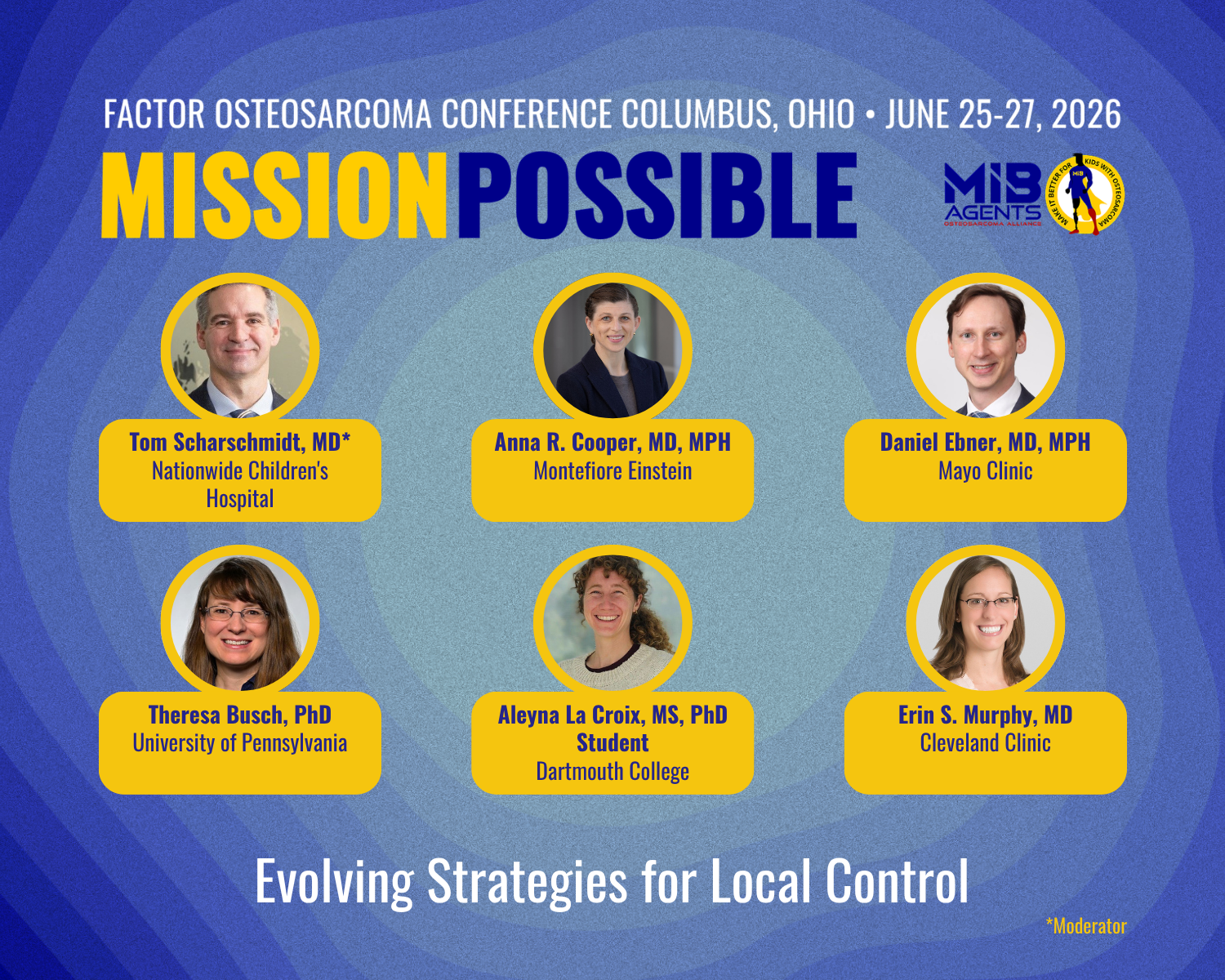
Evolving Strategies for Local Control
Katia Scotlandi, PhD
IRCCS Istituto Ortopedico Rizzoli
Molecularly-driven information on patient-derived xenografts (PDX) and cell lines leads to ixabepilone repurposing for resistant osteosarcoma
Patients with highly aggressive, chemoresistant osteosarcoma (OS) continues to represent a population with unmet need. There has historically been a limited number of relevant models that well represent the heterogeneity of OS to be used for developing discovering efficient novel drugs. We have enlarged the already available collections of patient–derived xenograft (PDX) with 30 additional models that depict the epidemiologic, genetic, and biological features of OS and we have established six, new PDX-derived cell lines as a resource to generate solid preclinical findings to guide treatments for patients with these aggressive malignancies. Drug screening of 2800 FDA-approved compounds led to identification of five repurposed drugs, including ixabepilone that was selected as the most effective agent against highly aggressive OS with features of innate and/or acquired chemoresistance. The development of new drugs for rare tumors, such as OS, is a major challenge. Indeed, considering that the process of developing a novel drug to treat any kind of disease is typically laborious, costly, and failure-prone, development of new agents for rare tumors is particularly unappealing for large manufacturers. In addition, for the few agents that are developed, market prices are usually extremely high, resulting in reduced access for patients. In this context, drug reuse is an appealing and promising approach to developing medicines for rare tumors. By utilizing already available medications with deep knowledge of pharmacological characteristics, action mechanisms, and safety profiles, drug repurpose may indeed speed up the inclusion of novel drugs for the treatment OS patients. Our study supports the incorporation of ixabepilone, a drug with a manageable toxicological profile and approved for the treatment of resistant breast tumors, into treatment plans for chemoresistant OS.
Michael Lizardo, PhD
BC Cancer
Inhibition of the mitochondrial oxidative stress response in metastatic osteosarcoma cells prevents growth in murine lung tissue
Treatment options for osteosarcoma (OS) patients with metastatic disease are currently lacking. There is a dire need to develop newer therapies that specifically prevent or inhibit the growth of lung metastases. We therefore set out to study how metastatic OS cells adapt and grow in experimental conditions in a petri dish that mimic the harsh conditions of the lung environment. More specifically, we wanted to determine how the mitochondria (the powerhouse of the cell) of metastatic cells change and adapt to the harsh environment of the lung. From previous research, an antioxidant protein called nuclear factor erythroid 2–related factor-2 (NRF2) is upregulated in metastatic OS cells in the lung, and we know NRF2 can increase the abundance of peroxiredoxin-3 (PRDX3), an antioxidant enzyme found in mitochondria. We therefore tested whether an antibiotic compound called thiostrepton (TS), which is known to inhibit the activity of PRDX3, can inhibit the growth of metastatic OS cells. Under experimental conditions that mimic the lung environment, we discovered that TS disrupted the mitochondria of metastatic OS cells. Moreover, TS-treatment inhibited the growth of metastatic OS cells inside mouse lung tissue maintained in a culture dish. These findings suggest that targeting the adaptive response of mitochondria in metastatic OS cells with a drug like TS may have high therapeutic potential for OS patients.
Shahana Mahajan, PhD
Hunter College, City University of New York
Repurposing drugs for osteosarcoma
The lack of targetable mutations is osteosarcoma contribute to poor treatment outcomes. Drugs that alter metabolic profile or molecular pathways that support cell growth may offer an alternative approach to control osteosarcoma growth. Research in our lab has shown Riluzole, an FAD approved drug, as an effective agent that inhibited growth, induced cell death, and prevented metastatic behavior in two metastatic osteosarcoma cell lines. Given the substantial genetic heterogeneity in osteosarcoma, studies on the efficacy of Riluzole in diverse osteosarcoma will be an asset in developing preclinical studies. Toward this goal, we investigated the effects of Riluzole on 11 osteosarcoma cell lines derived f rom primary or metastatic tumors of mouse or human origin and on five independent patient-derived xenograft (PDX) tumor cell lines. We found that Riluzole suppresses cell growth and inhibits cell invasion in most of the osteosarcoma cell lines, including PDX cell lines. The bioavailability of Riluzole is affected by oxidative metabolism by cytochrome P450 enzyme, CYP1A2, and the expression level of the enzyme varies significantly in the human population leading to effective dosage variability. Therefore, we tested the efficacy of prodrugs of FC3423 and Troriluzole in osteosarcoma. Our data demonstrates that FC3423 and Troriluzole, are significantly more effective in osteosarcoma growth inhibition both in vitro and in vivo.
Sasha Blay, PhD Candidate
The Hospital for Sick Children
Harnessing mutational signatures to pinpoint the development of chemoresistance in metastatic and relapsed osteosarcoma
Survivors of pediatric cancer face lifelong battles with severe morbidities, which includes a significant risk of recurrence. Mutational signatures are patterns of somatic mutations in the cancer genome with specific etiologies. Recent work has identified mutational signatures linked to chemotherapy agents in the genomes of relapsed pediatric patients, and our ability to detect this “battle scar ” signifies chemoresistance. However, there is still much to learn about how chemoresistance develops pediatric patients, including when and where the effects of chemotherapy are felt in the cancer genome. I thus developed a computational pipeline to combine mutational signature analysis with clonal evolution reconstruction to elucidate changes in mutational processes throughout disease progression. I then used this pipeline to analyse 1,743 pediatric tumour genomes f rom 10 pediatric cancer datasets, including 101 osteosarcoma tumour samples. I detected mutational signatures linked to 4 chemotherapy drugs: temozolomide, platinum-based agents, fluorouracil, and thiopurine. Of 235 samples with confirmed exposure, 37.9% displayed one or more therapy-associated signatures. When mutational signatures were examined in the context of the phylogenetic tree, I identified specific subpopulations with these chemotherapy signatures, demarking subpopulation-level resistance. In cases with multiple sequenced tumour samples, resistant subpopulations in recurrences and metastases were traced back to ancestors present in primary tumors at the time of diagnosis, suggesting certain subpopulations possessed the ability to withstand chemotherapy-induced pressures f rom an early stage and then expanded following treatment. Finally, osteosarcoma with pulmonary metastases showed platinum signatures across all sites, yet the signatures arose independently in separate subclones. The pervasive nature of this signature indicates a convergence to a resistant phenotype, and in osteosarcoma, this occurs later and independent to metastatic mechanisms. This research offers valuable insights for identifying pediatric patients at greater risk of recurrence and aiding the development of more effective treatment plans to enhance quality of life for cancer survivors.
Chelsey Burke, MD
Stanford University School of Medicine
Understanding tumor evolution and mechanisms of resistance in osteosarcoma
Outcomes for children with cancer have steadily improved over the past several decades; however, survival rates for children with advanced osteosarcoma have not improved significantly in the last 30 years. Less than 20% of osteosarcoma patients with metastasis survive long-term, largely due to the lack of understanding of tumor evolution and the mechanisms of treatment resistance. Our study aims to address these gaps by using patient-derived xenograft models to study osteosarcoma's evolution, focusing on the mechanisms driving resistance and metastatic progression. Through a novel systems biology approach, we will identify key proteins, known as "Master Regulators" (MRs), that drive osteosarcoma growth and metastasis. We will utilize single-cell sequencing techniques to study the tumor at a deeper level, revealing previously hidden insights into the genetic and molecular landscape of osteosarcoma. By identifying drugs that target these MRs, we aim to overcome the drug resistance that develops in progressive osteosarcoma. By prioritizing clinically applicable drugs, we anticipate generating translational results that can be used to inform future pediatric clinical trials. This innovative approach to studying the evolutionary dynamics of osteosarcoma, paired with advanced computational methods, promises to uncover critical mechanisms behind drug resistance and malignant progression. The knowledge gained f rom this research will enable earlier therapeutic interventions, ultimately preventing metastasis and improving survival outcomes for children and adolescents with high-risk osteosarcoma. Our goal is to bring these discoveries into clinical practice, addressing an urgent unmet need and transforming the role of precision medicine in pediatric oncology.
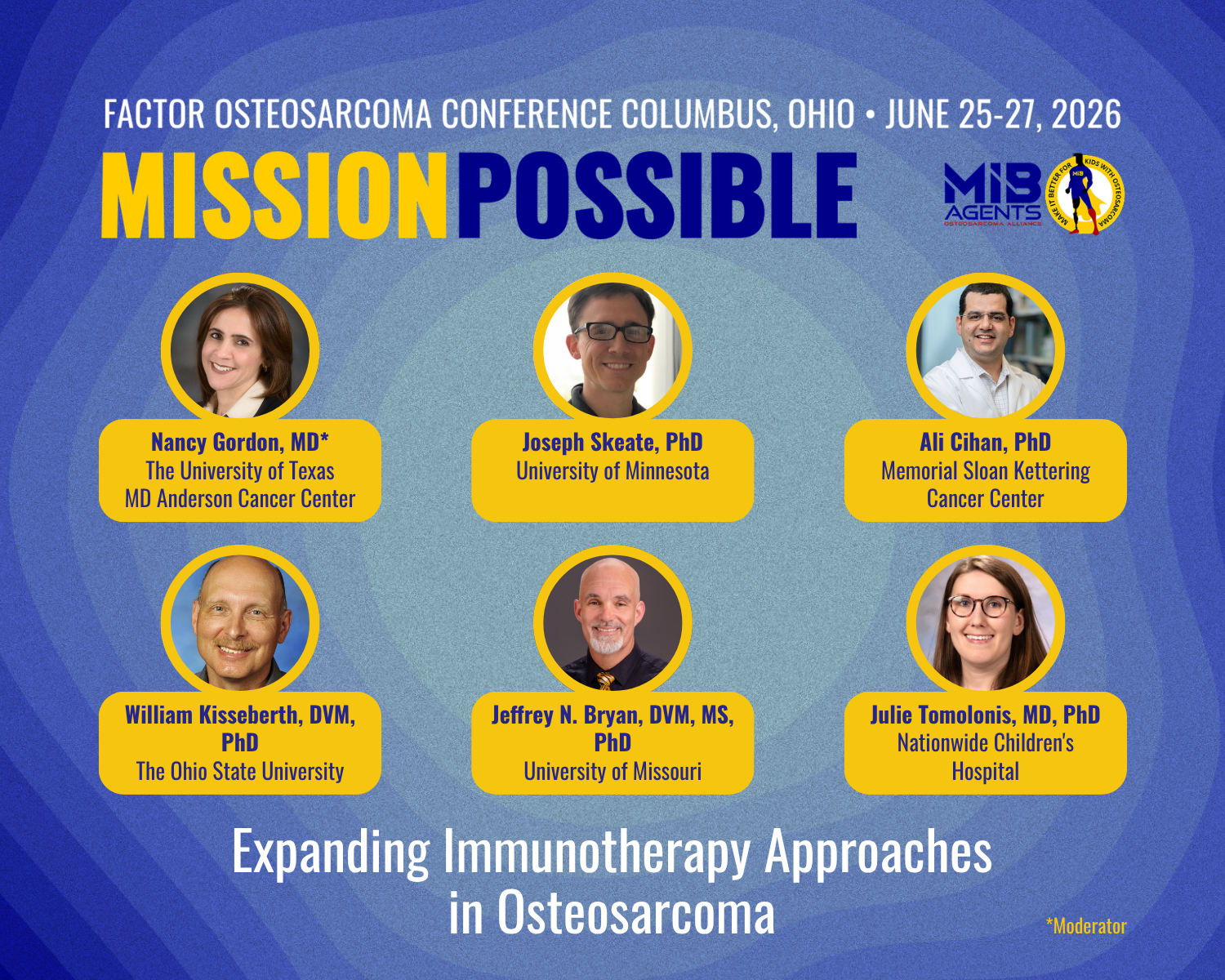
Expanding Immunotherapy Approaches in Osteosarcoma
Amanda Marinoff, MD
UCSF
Clinical biomarkers for osteosarcoma stratification(cBOSS): Insights froman international working group
Osteosarcoma is a biologically heterogeneous disease, yet current clinical management remains one-size-fits-all. Advances in molecular profiling have identified potential biomarkers that could refine risk stratification and guide therapeutic decision-making, but none have been integrated into standard care. The Clinical Biomarkers for Osteosarcoma Stratification (cBOSS) working group convened an international panel of experts to evaluate and prioritize the most promising molecular biomarkers for clinical implementation. We systematically reviewed the prognostic significance and level of evidence supporting key candidates, circulating tumor DNA (ctDNA) dynamics, copy number alterations, tumor microenvironment composition, and multi-omic classification strategies. Consideration was given to their reproducibility, biological relevance, and feasibility for integration into clinical trials. Our findings highlight ctDNA burden has demonstrated independent prognostic value across multiple studies, warranting standardization of methodologies for prospective validation. Additional promising approaches, copy number alterations, transcriptomic classifiers, genome-wide loss of heterozygosity, proteomic and epigenetic f rameworks, and tumor immune profiling, require further correlation with clinical outcomes and assessment of biological overlap. This presentation will discuss the current landscape of osteosarcoma biomarker development, the challenges of translating molecular discoveries into clinical practice, and the next steps for prospective validation in future trials. By integrating molecular and clinical risk factors, we aim to move toward a precision medicine f ramework that enables risk-adapted, biology-informed treatment strategies for osteosarcoma.
David Shulman, MD
Dana-Farber Cancer Institute
Prospective evaluation of ctDNA among patients with localized osteosarcoma identifies patients at high-risk of disease relapse: A report from the LEOPARD study
Background: Outcomes for patients with osteosarcoma have not improved in decades and a lack of tools to understand risk of relapse has impaired our ability to develop new strategies to treatment. Prior retrospective analyses demonstrated that elevated pre-treatment ctDNA was associated with an increased risk of relapse. The primary objective of the LEOPARD study (Liquid biopsy in Ewing sarcoma and osteosarcoma as a prognostic and response diagnostic) localized osteosarcoma cohort was to prospectively study ctDNA in patients with localized osteosarcoma. Methods: The LEOPARD study is a prospective, multicenter ctDNA study for patients with bone sarcomas. Patients enrolled through one of 12 primary study sites, or samples were obtained f rom patients enrolled to the Children’s Oncology Group Project EveryChild (ABTR18B1-Q). Patients were 1-50 years of age at enrollment, had a histologic diagnosis of unresected high-grade osteosarcoma and were planned to receive standard chemotherapy as per COG AOST0331 (primary study centers only). We utilized a validated ctDNA assay and planned to enroll a minimum of 113 patients. Results: Between October 1, 2017 and March 3, 2023, 138 patients with osteosarcoma met eligibility and enrolled. 133 patients had an evaluable pre- treatment ctDNA measurement. At diagnosis, 84 (63%) patients had detectable ctDNA and the median ctDNA level was 5.3% (range: 0-43.1%). Baseline detectable ctDNA burden (≥3%) was associated with an increased risk of relapse compared to undetectable ctDNA (2-year EFS: 56% [95% CI 45-68%] vs. 88% [95% CI 78-98%], respectively; P<0.0001). A similar pattern was seen using a cut point of ≥5% (53% [95% CI 41-67%] vs. 83% [95% CI 74-94%], P<0.0001), or ≥15% (37% [95% CI 23-60%] vs. 76% [95% CI 68-86%], P=0.0004). Analysis of on-treatment ctDNA is ongoing as well as associated molecular biomarkers. Conclusions: These findings prospectively validate prior results associating ctDNA detection with inferior survival in patients with localized osteosarcoma.
Masanori Hayashi, MD
University of Colorado
Correlative studies from NPCF Phase II trial of gemcitabine and nabpaclitaxel for recurrent osteosarcoma
The combination of gemcitabine and docetaxel is often used to treat patients with recurrent osteosarcoma. Nab-paclitaxel has preclinical activity against osteosarcoma and is potentially less myelosuppressive than docetaxel. The National Pediatric Cancer Foundation conducted a prospective multi-institutional phase II trial combining gemcitabine and nab-paclitaxel for patients with recurrent osteosarcoma. Liquid biopsy samples were collected every two cycles, and circulating tumor cell and circulating tumor DNA burden were assessed. Eighteen patients were enrolled, and all patients had detectable CTCs, which detected progressive disease in most patients. Circulating tumor DNA was detected in ten patients, and common genetic amplifications in osteosarcoma, such as MYC, Rad21, CCND3 were detected.
Emanuela Palmerini, MD, PhD
Sylvester Comprehensive Cancer Center, Miller School of Medicine, University of Miami
Prognostic and mifamurtide-related signatures for localized osteosarcoma: an ISG/OS2 trial correlative study of tumor immune microenvironment (TME)
Background: Two clinical trials in Italy (ISG/OS-2) and Spain (GEIS-33) focused on patients with non-metastatic osteosarcoma. These trials used a risk-adapted approach based on the presence of a protein called Pgp. Patients with Pgp-positive tumors received chemotherapy plus mifamurtide, an immune-activating drug, while Pgp-negative patients received chemotherapy alone (Palmerini E et al, JCO 2025 in press). The main goal of this study was to find gene-based markers in the tumor immune microenvironment (TME) that could predict patient outcomes and response to mifamurtide. Methods: Researchers analyzed RNA from tumor samples of 62 patients using a NanoString immune profiling panel. Results: A 21-gene signature was identified that could classify patients into high-risk (Hi-R) and low-risk (Lo-R) groups. The 5-year overall survival was 47% for Hi-R and 92% for Lo-R patients (p = 3e-06). Lo-R tumors had more CD8 T-cells, T-regs, and activated NK cells, and fewer CD4 T-cells—suggesting a more favorable immune environment. This 21-gene signature was validated in two independent datasets (Target-OS TCGA and GSE33382). Among patients treated with mifamurtide, a separate 31-gene signature was found to predict better survival and event-free survival (p = 1e-09 and p = 3e-06, respectively). Both gene signatures were independently linked to survival in multivariate analysis. Conclusions: The 21-gene signature can help predict prognosis in osteosarcoma, regardless of treatment. The 31-gene signature may help identify which patients will benefit from mifamurtide. Only 5 genes overlapped between the two signatures, suggesting mifamurtide works through a unique immune pathway. These findings support the need for a multicenter international trial to validate the 31-gene signature. This could lead to more personalized treatment, avoiding unnecessary 9-month mifamurtide regimens in patients unlikely to benefit. This research highlights the potential of using immune gene profiling to guide treatment decisions in osteosarcoma.
Matthew Dietz, DO, MSEd
University of Utah/Primary Children's Hospital
Prognostic significance and microenvironment influence of cMYC in osteosarcoma
The identification of biomarkers that predict a patients chance of survival is necessary to develop risk stratified treatments for patients with osteosarcoma. The gene cMYC is abnormally over-expressed in >50% of solid tumors, including osteosarcoma. We sough to evaluate cMYC as a prognostic biomarker for overall survival in osteosarcoma and define the best way to measure cMYC status. Osteosarcoma cell lines and primary patient tumor samples were evaluated for cMYC status by measuring cMYC DNA copies and by measuring cMYC protein staining. We found tumors with more cMYC DNA copies were associated with higher rates of metastasis, increased rate of poor histologic response to chemotherapy, higher rates of relapse and death, and a shorter time to death. However, not every patient with more cMYC DNA copies had a bad outcome and not every patient with normal number of cMYC DNA copies had a good outcome. Efforts to measure cMYC protein staining in osteosarcoma specimens are ongoing and a comparison of these results with our cMYC DNA results may help determine if one test is better at predicting patient outcomes.
Molecular Pathways and Therapeutic Vulnerabilities
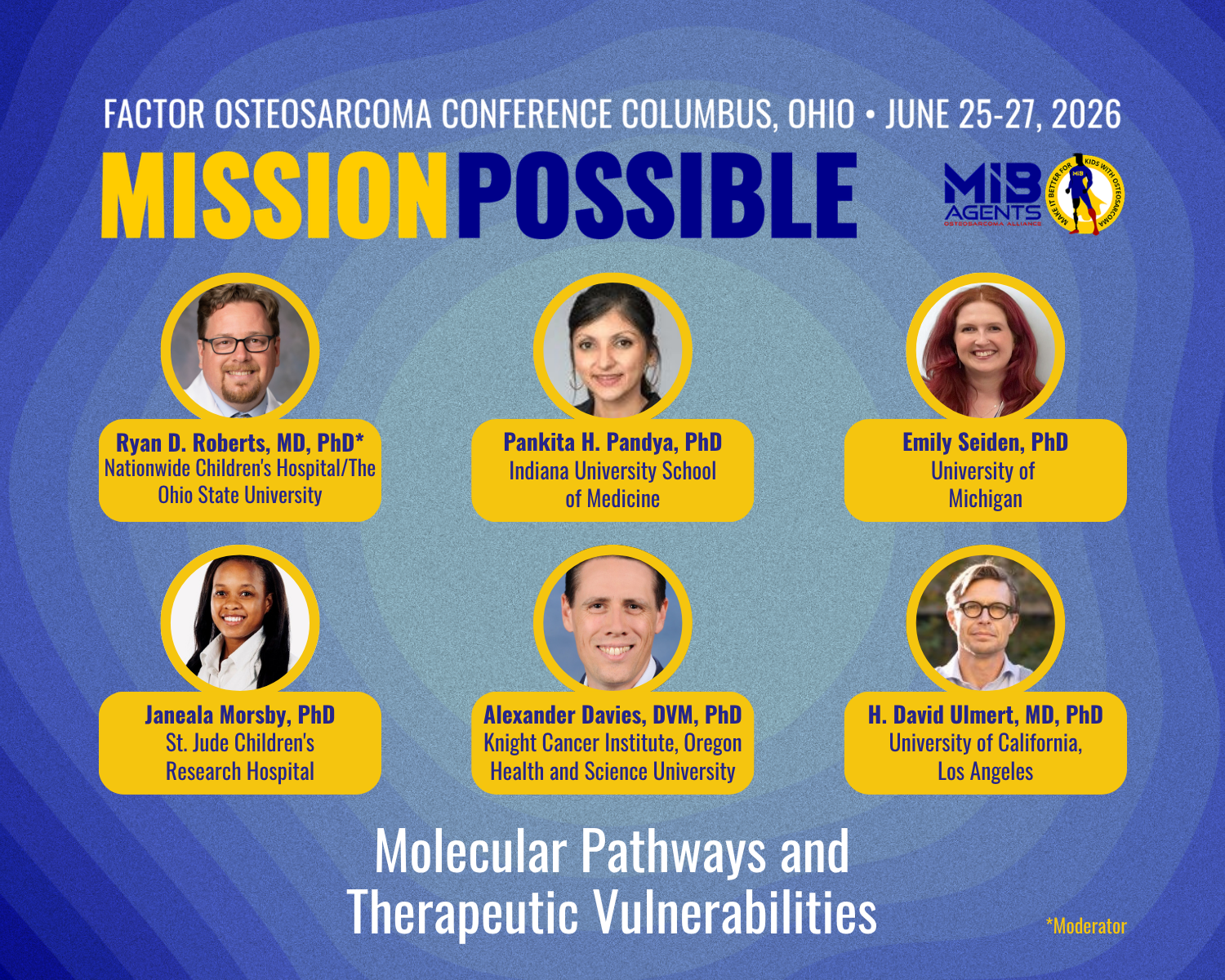
Richa Kapoor, PhD
Children's Hospital of Philadelphia
Defining the immunopeptidome of osteosarcoma nominates candidate therapeutic targets
Osteosarcoma is an aggressive childhood cancer and is often lethal despite intensive chemotherapy and radiation therapy. New cellular immunotherapies (e.g., chimer antigen receptor [CAR] T cells) have revolutionized the care of children with leukemias but as yet have not made a major impact on childhood solid cancers like osteosarcoma. One of the major barriers to progress is finding immunotherapy “targets” on the surface of cancer cells that are not present on normal cells. We developed an “immunopeptidomic” strategy to discover highly specific osteosarcoma cancer targets that are absent in normal body tissues. These are different from conventional CAR T targets (proteins on the surface of cells) as we focus on short fragments of proteins (peptides) derived from those essential for osteosarcoma and required for the cancer cell to survive. We aim to transform outcomes for children with osteosarcoma by developing novel peptide-centric CAR T cell therapies (PC-CARs) targeting these tumor-specific peptides. Our study represents a convergence of cutting-edge technologies—immunopeptidomics, and cellular therapy—to address an urgent unmet need in pediatric oncology. Our first PC-CAR targeting a PHOX2B peptide in neuroblastoma, which demonstrated remarkable pre-clinical efficacy, is set to enter clinical trials this year. For osteosarcoma, our comprehensive immunopeptidomic analysis has identified several promising peptide targets, including peptides from LRRC15, SP7 and PANX3. These targets exhibit high tumor specificity, absence in normal tissues, and are essential for cancer survival. This study is leading to the rapid development of targeted cellular therapies for osteosarcoma, laying a blueprint to follow across multiple cancer types and hence accelerating the translation of cellular therapies from bench to bedside.
Geoffrey Smith, MD, PhD
Boston Children's Hospital / Dana-Farber Cancer Institute and Massachusetts Institute of Technology
Evasion of endogenous CD8 T-cell responses in murine osteosarcoma
Forty years of progressive chemotherapy intensification in osteosarcoma (OS) has failed to improve outcomes, suggesting a new approach is needed. Immunotherapies, which target the patient’s immune system against their cancer, have revolutionized the treatment of many cancers. Unfortunately, trials of both therapies designed to boost a patient’s own immune response (termed immune checkpoint blockade) and CAR-T T cells have not yielded significant responses in OS. To understand how OS evades the immune system, we study a mouse model engineered to develop OS that has similar genetics, microscopic appearance and clinical pattern (i.e. leg tumors that spread to the lung) to human OS. Unlike models that transplant human OS into immunocompromised mice, these mice develop OS in the context of a fully functioning immune system, enabling us to study how the tumor and immune system interact. We have found that the immune system can recognize and control some OS tumors, as mice without key parts of the immune system develop OS sooner than those with intact immune systems. However, even mice with a functioning immune system eventually develop tumors. From initial studies of the immune cells found in these tumors, we propose three potential mechanisms enable immune evasion: First, the chaotic genome of OS may present so many different targets to the immune system that instead of focusing on one target, multiple small and ineffective immune responses develop. Second, the immune cells that are present in tumors may have become exhausted and no longer able to mount a response. This is a natural response to prevent autoimmunity but in this case may have been co-opted by the cancer cells. Third, the other immune cells recruited to OS may send signals to prevent an effective anti-tumor response from developing. Understanding which of these mechanisms underly immune evasion will suggest new therapies for OS and the mouse model provides a platform to rapidly test these hypotheses.
Betsy Young, MD
UCSF Benioff Children's Hospitals
cGAS-STING drives immune evasion in osteosarcoma and is therapeutically targetable via STING agonism
In cancers including osteosarcoma (OS), malfunctioning DNA replication results in a warning signal to the immune system via the cGAS-STING pathway, which we believe is modified in OS tumors to evade immune-mediated tumor killing. We have identified that half of OS patient-derived cell lines respond to cGAS-STING activation with a drug treatment, whereas the other half do not. Additionally, using RNA sequencing, we defined the specific genetic changes that occur in OS upon activation of the cGAS-STING pathway. Our studies of a STING activating drug in animal models have shown that this therapy can slow tumor growth and increase anti-tumor immunity, leading to complete regression of osteosarcoma tumors and lasting immunologic memory. Overall, we have discovered two subsets of OS with differing capacity to generate an anti-tumor immune signal and demonstrated the benefits of activating STING in patients and in preclinical models. Our proposed ongoing work will confirm the effects of STING activation, supporting the translation of this novel approach to activating immune surveillance in osteosarcoma.
Brian Mooney, PhD
BC Cancer Research Centre
Surface and global proteome profiling identifies ROR2 as an actionable immunotherapeutic target in osteosarcoma
While primary osteosarcoma is typically treated in the clinic by surgery and chemotherapy, osteosarcoma that has spread from it's primary site is a significant challenge to treat. Many adult cancers have demonstrated excellent responses to a new type of cancer treatment known as "immunotherapy", which aims to notify the patient's own immune system of the cancer and target it for destruction. Unfortunately, however, benefit to immunotherapy is somewhat lacking in pediatric solid cancers like osteosarcoma. A first step for immunotherapy is to identify a target on the surface of the cancer which can be targeted by immunotherapies. To take this first step, our team worked to generate a snapshot of the surface targets on osteosarcoma cells. One of these targets, which was very high on osteosarcoma cells but low in other cells, is known as ROR2. We went on to show that ROR2 is indeed high on osteosarcoma cells and very low in normal pediatric tissues, which is very important when designing a potential anti-cancer agent. When we selectively turned off this target in osteosarcoma cells, the cells grew slower and their ability to move was decreased. Turning this target off also stopped osteosarcoma cells from growing in the lungs of our mouse models. These trends indicate that targeting ROR2 may be beneficial to patients with osteosarcoma. We are currently working to identify and develop agents that can recognize ROR2 on the surface of osteosarcoma, and deliver anti-cancer drugs straight to the cancer. We hope that this work can help support a future clinical trial that will use immunotherapy to target ROR2 to kill osteosarcoma cells.
Arianexys Aquino-Lopez, MD, PhD
Baylor College of Medicine
Repurposing virus specific T cells as immune therapy for osteosarcoma
Osteosarcoma is a bone cancer that generally affects children and adolescents. Chemotherapy for osteosarcoma has remained the same since the 1980’s, with no improvement in survival. Furthermore, when cancer spreads to the lungs (metastatic disease), it is difficult to treat. Only between 10% to 40% of patients with lung spread survive for 5 years. Current therapies for metastatic osteosarcoma include drugs and surgery, but these often fail. To develop a better approach, I will redirect the patients’ own immune system to treat the tumor like a curable virus infection rather than a resistant cancer. When we get sick with a virus, cells from our immune system, called virus specific T cells (VSTs), eliminate unhealthy cells infected by virus. The way the immune system finds the unhealthy cells is by recognizing “viral signals” on the surface of the infected cells. I propose using a virus combination called CAdVEC to modify cancer cells and make them show these “viral signals”. This will trigger the immune cells in our body to attack and eliminate the cancer cells.
Addressing Chemoresistance in Osteosarcoma
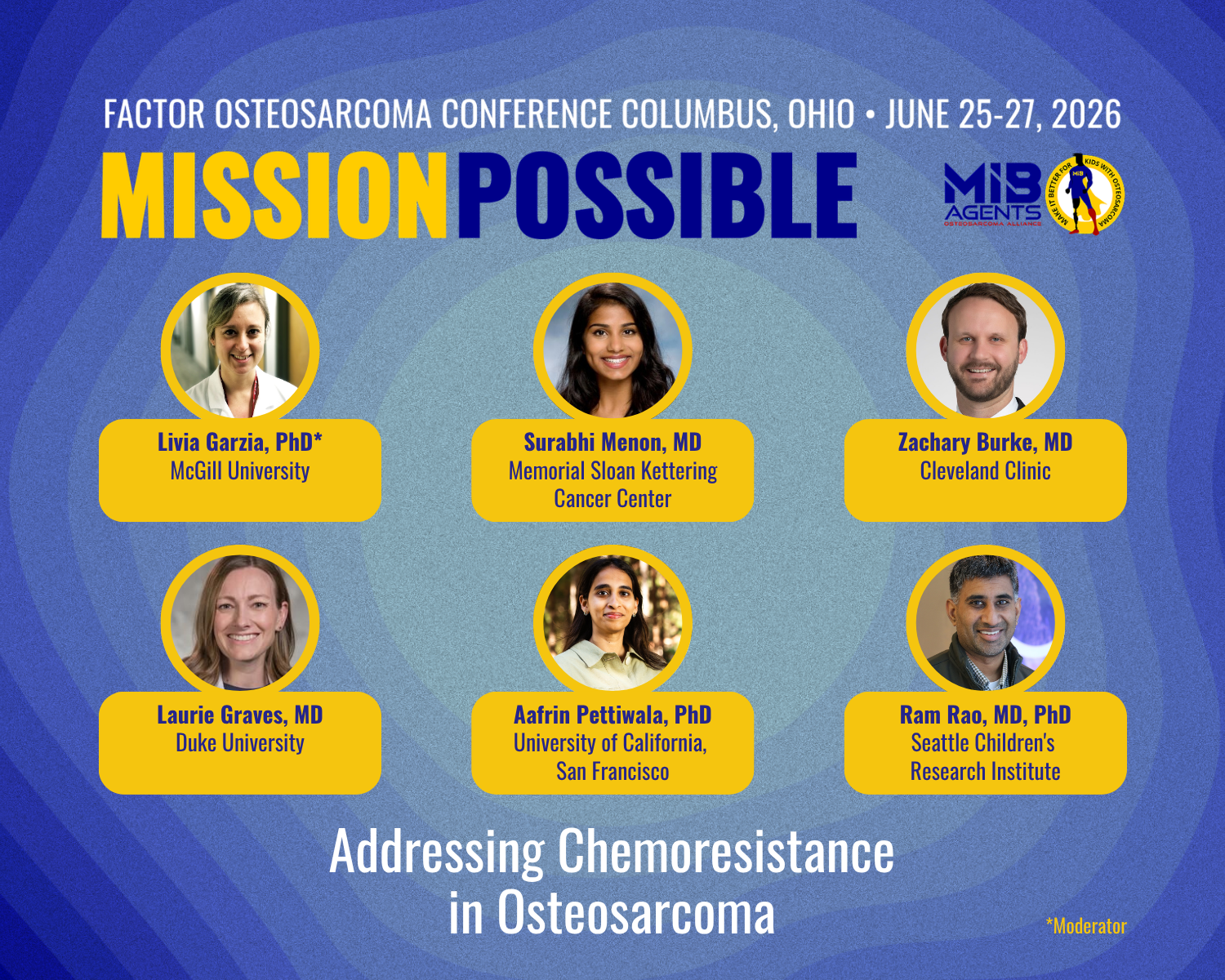
Alanna Church, MD
Boston Children's / Dana-Farber Cancer Center
Focus on clinical implementation
This talk explores strategies for translating research innovations—new drugs, diagnostic tests, and lab discoveries—into clinical practice. It covers key implementation steps, regulatory pathways, and real-world integration while addressing barriers such as cost, policy constraints, stakeholder resistance, and navigating clinical systems within large healthcare organizations. Attendees will gain insights into overcoming challenges to accelerate patient access to innovations.
Brenda Weigel, MSc, MD
St. Jude Children's Research Hospital
Crucial collaborations: Key for success of pediatric oncology clinic trials
All pediatric cancers are rare diseases and require collaboration between academia and industry to successfully develop and conduct clinical trials of new therapeutic approaches. These collaborations can take many forms and be supported in many different ways. We will explore the many models for collaboration and some of the benefits challenges in developing clinical trials in these models.
Damon Reed, MD
Memorial Sloan Kettering Cancer Center
Osteosarcoma maintenance therapy with OST31-164 (OST-164-01) - Primary results
We will report the primary outcome data for the 41 patients aged 12 to 39 with osteosarcoma (bone cancer) that had recurred in the lungs who received OST31- 164 infusions every 3 weeks on AOST2121.
Kristen VanHeyst, DO
University Hospitals/Rainbow Babies and Children's Hospital
Targeting TGF-beta signaling in the tumor microenvironment as an effective therapy in osteosarcoma
Immunotherapy is an innovative field that provides novel possibilities offering hope for finding curative options for pediatric and adolescent and young adult patients. Immunotherapy has shown promise in the treatment of multiple cancers, but effective treatment responses have yet to be realized in osteosarcoma (OS). Current standard of care therapy for the treatment of OS, whether a patient has metastatic disease at the time of diagnosis or not, is the same. This standard of care has not changed in decades, and neither has the overall outcome for patients with metastatic OS or recurrent/refractory disease. The prognosis for these patients is grim. Additionally, the chemotherapeutic agents the patients receive impart caustic and sometimes devastating side effects and toxicities. For these reasons, it is imperative to advance our understanding of the OS tumor microenvironment (TME) as components of this could be targets for therapy. Transforming Growth Factor-Beta (TGF-beta) is an abundant and potent immune suppressive molecule produced by OS cells and immune cells in the TME. The presence of TGF-beta contributes to making the TME more hospitable and dampens the ability of the patient's own immune system to eradicate this tumor. TGF-beta expression is increased in the serum of patients with OS compared to healthy individuals, and high TGF-beta correlates with high grade OS and metastasis. Effective targeting of TGF-beta would therefore be a desirable therapeutic approach for treating patients. In collaboration with MedPacto, Inc, we are utilizing their first-in-class, orally available, non-toxic small molecule inhibitor, TEW-7197 (“Vactosertib”) in a Phase I/II multi-centered, multi-continental, study for pediatric, adolescent, and adult patients with Osteosarcoma. In the lab, we continue to work on ways to further exploit this potential target, combining TGF- beta inhibitor with local control.
John A. Ligon, MD
University of Florida
RNA PRIME- Harnessing tumor RNA for immunotherapy against osteosarcoma
Patients with relapsed osteosarcoma (OSA) have few effective therapeutic options. We developed a multi-lamellar RNA lipid nanoparticle (RNA-LP) incorporating autologous total tumor RNA as a novel personalized immunotherapeutic. In the first-in-human clinical trial for adults with glioblastoma, we demonstrated the capacity for this novel RNA therapeutic to generate a profound immunologic response. RNA PRIME (NCT05660408) is a “basket trial” being conducted by the Sunshine Project of the National Pediatric Cancer Foundation to treat multiple types of recurrent pediatric solid tumors and CNS tumors. The OSA arm is a first in pediatric Phase I/II trial for patients with recurrent pulmonary or unresectable OSA. The primary objective in phase I will be to demonstrate the manufacturing feasibility and safety. The primary objective in phase II will be to determine if RNA- LPs extend event-free or progression-free survival. Major eligibility criteria include age 3-39 years; evidence of recurrent OSA; able to have surgical resection or biopsy at enrolling institution (necessary for RNA isolation to generate personalized RNA- LP); and functional status at time of enrollment of >60%. Patients will enroll on one of three Arms depending on disease status at enrollment (unilateral vs. bilateral pulmonary metastatic disease vs. unresectable) and undergo surgical resection or biopsy. All arms will consist of two phases: 1) pp65 RNA-LP phase and 2) pp65/tumor mRNA RNA-LP phase, with administration spacing from an initial bi-weekly to monthly for one year. Correlative studies include peripheral immune monitoring, tumor microenvironment, and ex vivo tumor modeling of patients receiving RNA-LPs. Total accrual target is up to 18 subjects in phase I, and up to 55 subjects in phase II. Additional arms of RNA PRIME currently include an arm for patients with recurrent/progressive pediatric high grade glioma, and future arms are anticipated for additional CNS and extracranial malignancies.
Novel Therapeutic Modalities and Delivery Strategies
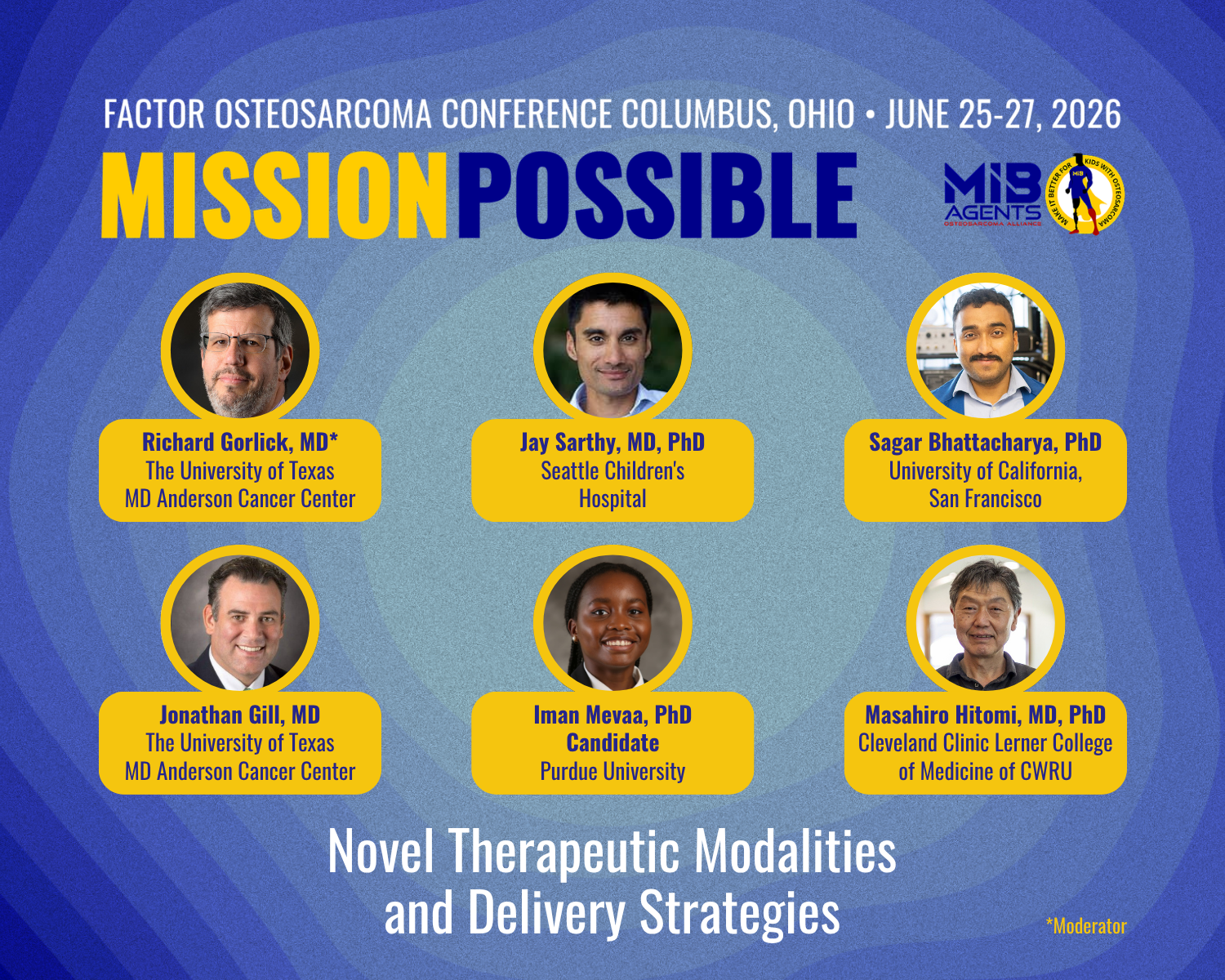
CURE-OS Update: Collaborative Understanding of Osteosarcoma Heterogeneity and Evolution
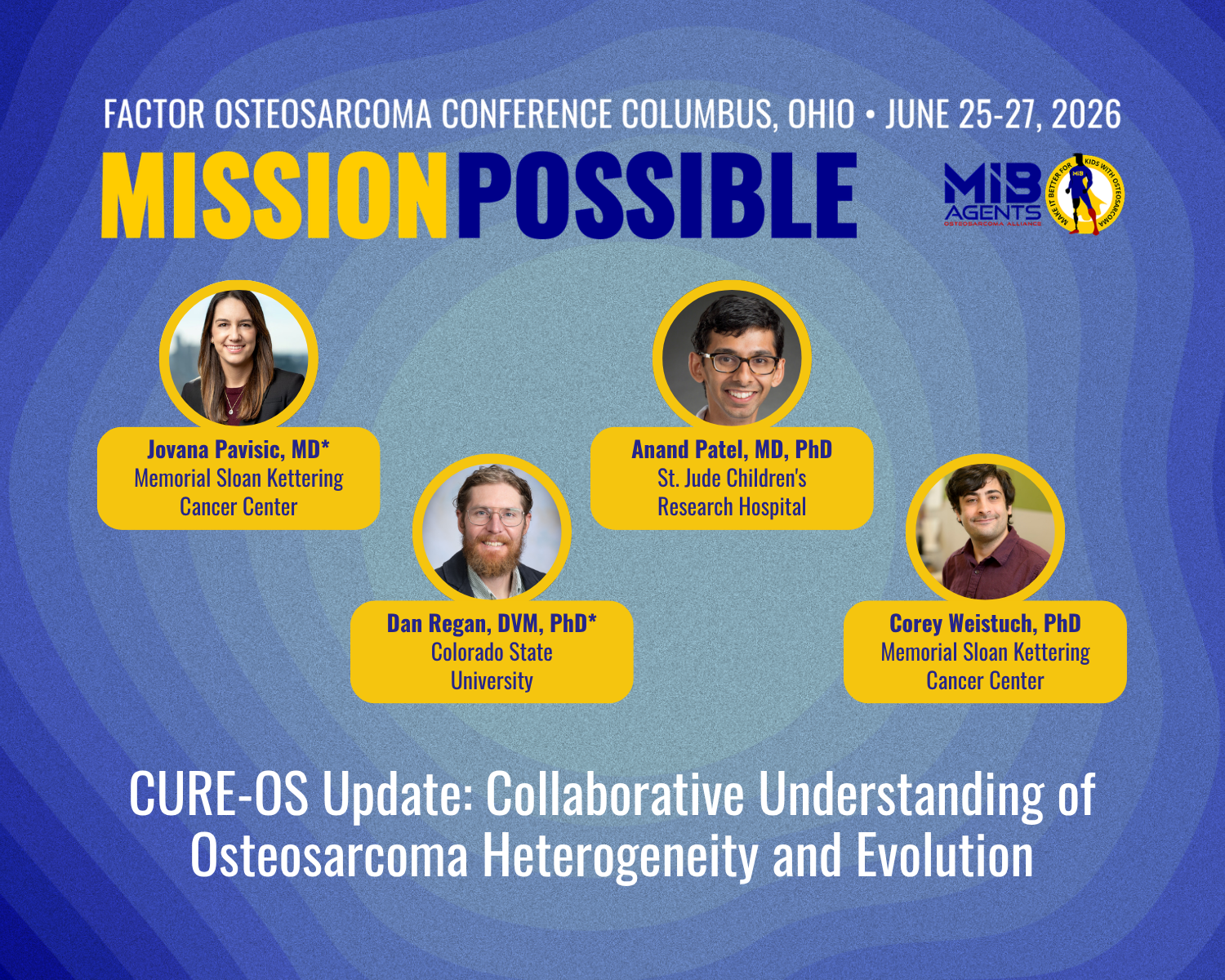
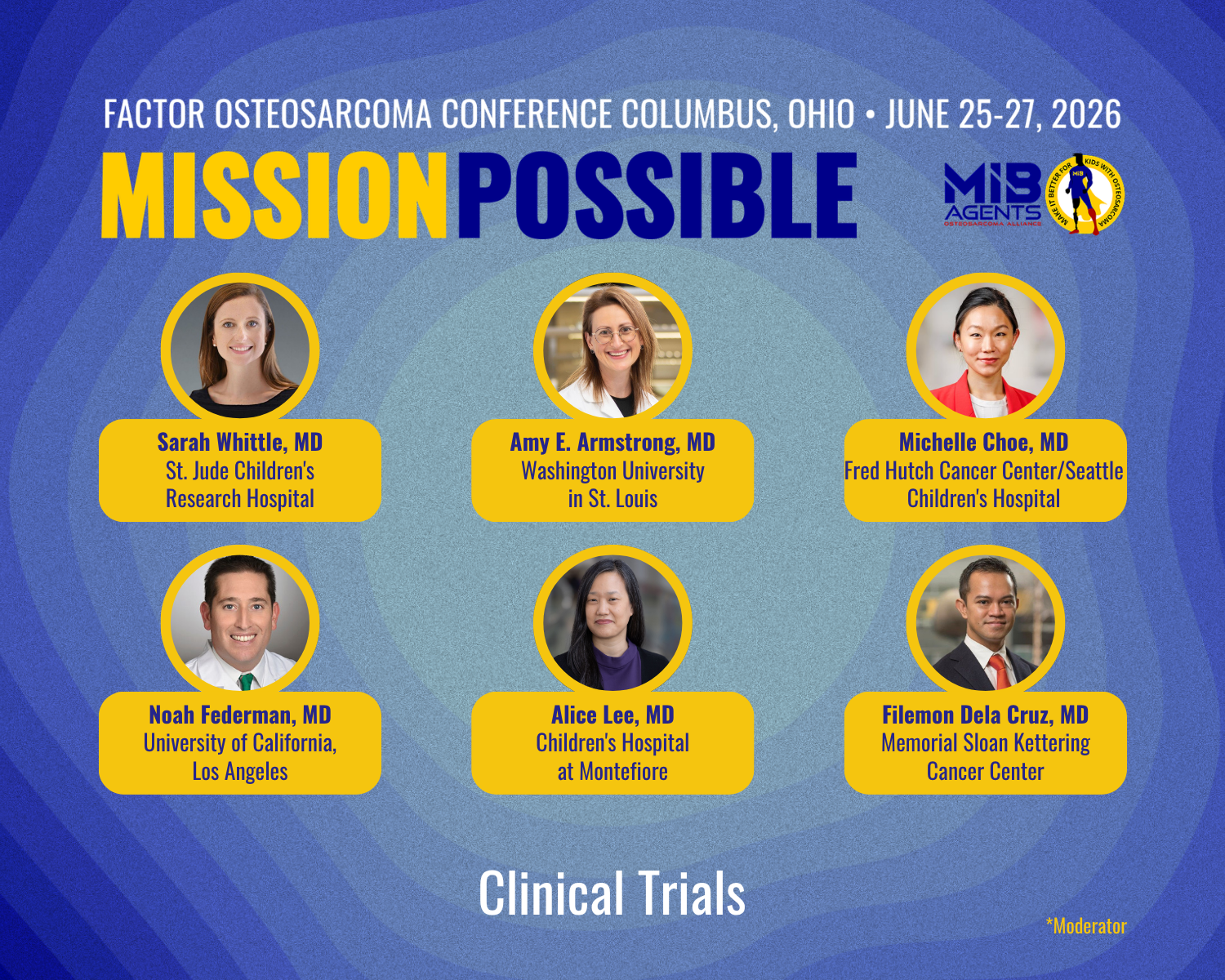
Clinical Trials
.jpg)
Abigail Bueckert, MSc Student
University of Guelph
Investigating the origin and evolution of metastasis-initiating cells in canine appendicular osteosarcoma
Amy Li
Baylor College of Medicine
Virus-specific T cells Present in Osteosarcoma Tumors have Potential for Anti-Tumor Activity
Serena-Jenna Rabi
Nationwide Children's Hospital
Leveraging Lentiviral Systems to Uncover Osteosarcoma Metastasis Mechanisms
Antonia Rotolo, MD, PhD
University of Pennsylvania
Donor-derived Invariant Natural Killer Cell therapy for human and canine osteosarcoma
Behzad Amirzade, MSc, PhD Candidate
The Ohio State University
A Machine Learning Approach to Predict Fracture Risk in Osteosarcoma-affected Bones Stabilized by Intramedullary Implants
Charles D. Kocher, PhD
Memorial Sloan Kettering Cancer Center
Osteosarcoma as a Math Problem: Using Modeling to Guide the Development of New Therapies
Cyrus Eghtedari, MD student
Case Western Reserve University School of Medicine
Identifying HER2 and GD2 Expression in Osteosarcoma as Immunotherapy Targets
Daryn Strub, MHA
Nationwide Children's Hospital
Edward Greenfield, PhD
Indiana University
Responses to repurposed FDA-approved drugs by patient-derived sarcospheres as a functional biomarker to inform precision medicine.
Emma Vanderboon, PhD Candidate
University of Guelph
Investigating MYC-Associated Vulnerabilities in Canine and Human Osteosarcoma
Geoffrey Smith, MD, PhD
Dana-Farber Cancer Institute
Defining the in vivo tumor antigen landscape in murine osteosarcoma
Haley Neumiller
Seattle Children's Hospital
Bioengineering a 3D Fibrin-Based Microthrombus Model to Study Osteosarcoma Under Shear Stress
Jared Fischbach, PhD Student
Ontario Veterinary College, University of Guelph
Clinically-Informed in vitro Model Identifies GDNF Family Receptor Alpha-1 (GFRA1) as Potential Therapeutic Target in Platinum-Resistant Osteosarcoma
Jaron Magstadt
University of Minnesota
Extracellular Vesicle mRNA Signatures as Prognostic Biomarkers in Pediatric Osteosarcoma: Preliminary Results from the KIDsCAN Study
Jarrell Imamura
Cleveland Clinic - Lerner Research Institute
Primary osteosarcoma of the short bones: A Surveillance, Epidemiology, and End Results Program (SEER) retrospective study
Jonathan Bastick, MD
Cleveland Clinic Foundation
Treatment Outcomes and Toxicities of Stereotactic Body Radiation Therapy for Sarcomas involving Weight-Bearing Bones - A Retrospective Single Institution Study
Kailee Rutherford, PhD
University of Colorado Denver, AMC and DC
Investigating Convergent Evolution in Osteosarcoma Through Integrative Drug Response Profiling in Patient-derived Organoids
Kelly Gutpell, MBBCh, PhD
Nationwide Children's Hospital
Tumor Heterogeneity in Early Metastatic Osteosarcoma
Leyre Jimenez Garcia, MS
Nationwide Children's Hospital
Fibronectin-rich matrix-associated signals promote metastatic growth and survival in osteosarcoma
Matthew Gust
Nationwide Children's Hospital
Efficacy and Overlap of Sequencing-Based Osteosarcoma Risk-Stratification Strategies
Matthew V. Cannon, PhD
Nationwide Children's Hospital
SCANBIT facilitates identification of tumor cell populations in scRNAseq data using pseudobulked SNV calls
Max Penzer
MIB Agents
Survivorship and peer support: Outcomes from youth leadership initiatives
Melissa Tatman, PT, MPT
Nationwide Children's Hospital
Utilization and Effectiveness of Acute Care Physical Therapy for Pediatric Osteosarcoma and Ewing’s Sarcoma Patients
Nathaniel Ruppert, MD Student
Cleveland Clinic
A novel sarcoma tumoroid platform preserving the tumor microenvironment to guide personalized therapy
Olivia Travis, PhD
St. Jude Children’s Research Hospital
Murine Osteosarcoma Models with a Range of Metastatic Capacities to Uncover Disease Vulnerabilities
Sophia Fernandes, PhD Student
University of Guelph
Conserved microRNA signatures associated with aggressive behaviour in human and canine osteosarcoma cell lines
Sriya Sagi, MS
Seattle Children's Hospital
Impact of Osteosarcoma Tumor Configuration in a 3D Collagen Model
Thomas Scharschmidt, MD
Nationwide Children's Hospital